10 October 2026
Why Texas Ranchers Are Turning to Artificial Insemination Cattle Programs
Presented by @titussvxs951
Texas ranching has always rewarded people who think in generations instead of seasons. One calf crop can pay bills, but the long game is built on replacement females, predictable weaning weights, sound udders, feet that hold up on rough ground, and bulls or semen lines that move a herd forward instead of sideways. That is a big reason more ranchers across the state are taking a fresh look at artificial insemination cattle programs.
For a long time, some producers treated artificial insemination as something mainly used by seedstock operations, show cattle breeders, or dairies with intensive management. On many commercial ranches, the idea sounded expensive, complicated, or too labor-heavy for the payoff. That view is changing. In a state as large and varied as Texas, where one outfit may be fighting drought and brush while another is managing improved pasture and a heavy replacement heifer program, reproductive tools are being judged less by tradition and more by what they return per exposed female.
Artificial insemination is not replacing good stockmanship. It is giving ranchers another way to apply it.
Better genetics without buying more bulls
The first reason is simple. AI gives access to herd genetics that most ranches could not afford to purchase outright in live bulls.
A proven herd sire with strong calving ease, growth, carcass merit, maternal value, and sound structure may cost far more than a commercial outfit wants to spend. Even when a ranch can afford that level of bull, one purchase only covers so many cows, and the risk is concentrated in a single animal. If that bull gets hurt, turns up subfertile, or simply does not breed as expected in rough country, a large investment can unravel in one season.
With artificial insemination cattle programs, a ranch can use semen from multiple sires in the same breeding season. That creates flexibility. Heifers can be bred to sleep-easy calving ease bulls. Mature cows can be matched to growth or maternal traits depending on the ranch’s marketing plan. Replacement females can be built around udders, disposition, and longevity rather than whatever happened to be available at the local sale or from a neighbor’s pasture bull.
This matters in cattle breeding Texas operations because conditions vary so widely. A rancher near the High Plains may prioritize frame control, feed efficiency, and carcass performance in a way that differs from a Gulf Coast producer focused on heat tolerance and maternal stayability. AI lets producers choose specific genetics for their environment and market instead of making broad compromises.
That does not mean natural service bulls lose their place. Most AI programs in beef cattle still use clean-up bulls, and good ones remain essential. What changes is the role of those bulls. Instead of carrying the whole genetic plan, they become part of a more deliberate system.
The economics look different than they did ten years ago
A lot of ranchers who once dismissed AI have changed their minds after penciling out the true cost of breeding.
A live bull has purchase cost, depreciation, feed, minerals, health expense, injury risk, and fencing pressure. He also has a limited service capacity and can spread only his own genetics. If he is average, the ranch is paying for average every year. If he is below average, the hidden cost can be steep. A bull that settles cows but sires calves that are hard born, poor structured, or weak at weaning leaves damage that lingers far beyond one breeding season.
By contrast, AI front-loads some planning and labor, but it can lower the cost of genetic progress per calf. Producers are not just asking, “What does the protocol cost?” They are asking, “What is the value of a tighter calving window, more uniform calves, fewer calving headaches in heifers, and replacement females from proven maternal lines?”
On many ranches, especially where labor is already organized estrus synchronization cattle Texas around working cattle efficiently, those gains add up fast. Uniformity alone has real sale-day value. A set of calves born in a tighter window generally weans into a more consistent package. Buyers notice. So do ranchers who retain ownership long enough to see feedyard and carcass data.
The financial case gets stronger when ranchers use AI as part of an integrated reproductive strategy instead of a one-off experiment. When estrus synchronization, nutritional management, body condition scoring, and accurate record-keeping all support the program, conception rates usually tell a much better story than the skeptics expect.
The drought factor and cow efficiency
Texas producers do not need a lecture on weather risk. Drought has forced hard decisions across the state, from culling older cows earlier than planned to reducing replacement numbers and stretching forage farther than anyone likes. Those conditions sharpen attention on efficiency.
When every mouth matters, many ranchers want cows that breed back on time, raise a strong calf, maintain condition, and stay in the herd. Artificial insemination becomes part of selecting for that kind of function. It offers a practical way to emphasize fertility, maternal ability, moderate mature size, and other traits that affect profitability when grass gets short.
This is where the conversation often gets more grounded. During hard years, producers become less interested in flashy numbers on paper and more interested in cows that work. The appeal of AI is not just higher-end genetics. It is more control over which genetics enter the herd in the first place.
A ranch that has struggled with oversized replacement females, poor udder quality, or calves that come too late in the season can use AI to start correcting course. That does not happen overnight. But over several calf crops, those decisions begin to show up in the pasture and on the scale.
Tightening the calving window pays in ways people forget
Many ranchers first hear the pitch for AI in terms of genetics. In practice, one of the biggest advantages is management.
A well-run synchronization and AI program can pull a significant percentage of cows into an earlier and tighter conception window. That means more calves born earlier in calving season, which usually translates into older, heavier calves at weaning. It also simplifies labor. Calving observation becomes more concentrated. Health treatments are easier to time. Branding, vaccinating, and weaning groups become more uniform.
Estrus synchronization is often the engine behind that efficiency. By controlling the timing of estrus and ovulation with a planned protocol, producers can breed more females in a narrow timeframe. Timed AI protocols have become especially attractive because they reduce the need for continuous heat detection, which used to be one of the biggest barriers for larger beef operations.
Still, synchronization is not magic. Cows need to be cycling, body condition needs to be adequate, and postpartum intervals matter. Thin cows on low-quality forage do not read protocol sheets. Neither do first-calf heifers trying to lactate, grow, and rebreed all at once. Ranchers who get the best results usually respect those biological limits rather than trying to overpower them with products or wishful thinking.
Texas heifers are a major piece of the story
If there is one group where AI often proves itself quickly, it is replacement heifers.
Heifers are where calving difficulty can start costing time, sleep, and future fertility. A rough first calving can set a female back for the rest of her productive life. That is why many ranchers use AI first in heifers before expanding to mature cows. Semen from proven calving ease sires gives a level of confidence that is hard to match with many cleanup bulls, especially if a producer is buying younger or less proven bulls due to budget limits.

Heifers also tend to respond well to a structured prebreeding program. If they are developed to an appropriate target weight, pelvic measurements and reproductive tract scores are used where appropriate, and breeding is timed before the mature cow herd, AI can help sort out which females are truly ready to stay in the system.
That has become a bigger issue in cattle breeding Texas programs where input costs and environmental pressure leave less room for passengers. A heifer that needs too much help to calve or is too late to rebreed can be a costly mistake. AI helps stack the odds in favor of a female that starts right.
Reproductive data is driving more decisions
One noticeable shift on Texas ranches is the growing comfort with reproductive technologies beyond semen tanks and synchronization drugs. Producers who once worked mostly by observation are increasingly using diagnostics to tighten decision-making.
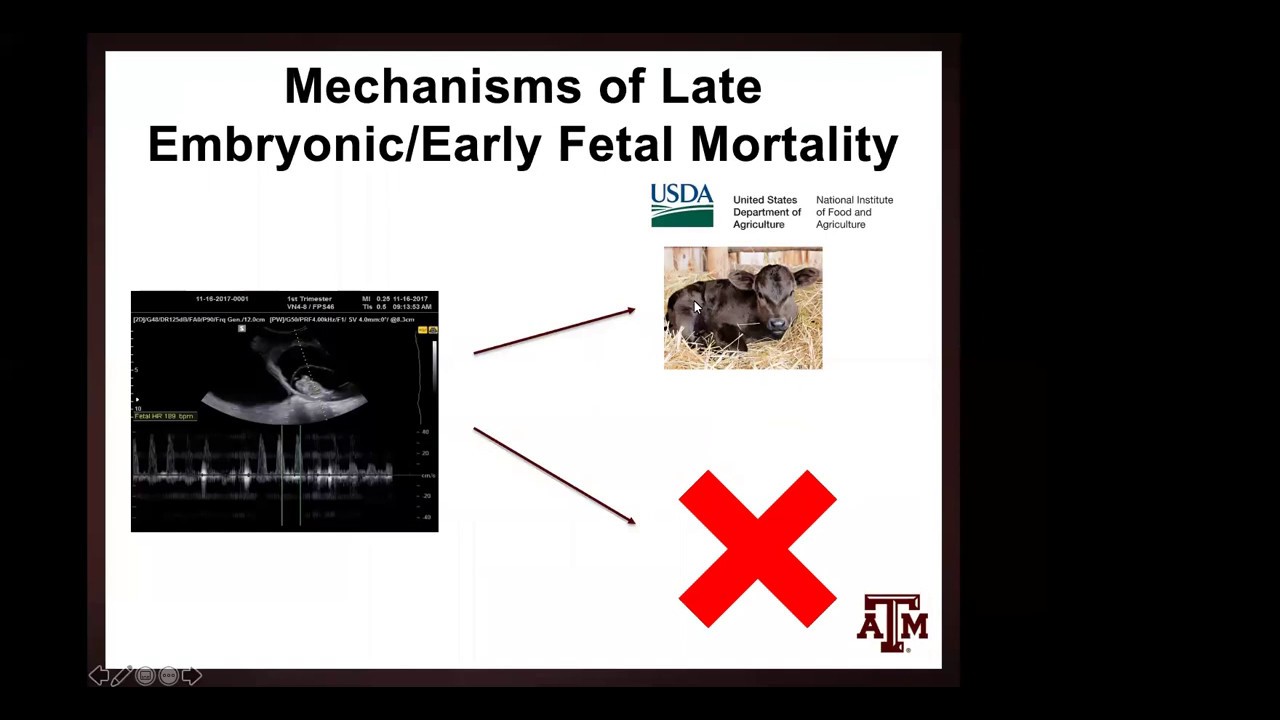
Reproductive ultrasound is a good example. It can confirm pregnancy earlier than palpation alone in many settings, age pregnancies with useful precision, identify open females sooner, and sometimes flag reproductive problems before they spread losses through the whole season. That matters when culling decisions have to be made quickly or when replacement planning is tied to cash flow.
Bull fertility testing is another area getting more attention. There is no contradiction in using AI and still taking bull breeding soundness seriously. In fact, the opposite is true. If a ranch has invested in synchronization and timed AI, the clean-up bulls that follow need to be fertile and physically capable. A subfertile bull can undo gains from a good first service program in a hurry. Too many operations still assume a bull that looks athletic is automatically satisfactory. Semen quality, scrotal measurements, and physical soundness say more than attitude and muscle shape.
When a ranch starts pairing AI with pregnancy diagnosis, bull fertility testing, and better records, reproduction becomes more measurable. That is often what changes the mindset. Once people can see where pregnancies occurred, how early cows settled, and which sire groups performed, breeding stops being a guessing game.
IVF and embryo work are no longer niche topics
On the upper end of the genetics conversation, bovine IVF and embryo transfer are drawing more interest from Texas producers than they did bovine IVF Texas a generation ago. These tools are still more common in seedstock, purebred, and donor-focused programs, but they are influencing the broader market too.
Embryo transfer allows a top donor cow to produce more offspring than she ever could through natural reproduction alone. Bovine IVF can push that even further, especially when ranchers want to multiply elite females quickly or work around specific reproductive challenges. For commercial producers, that may sound distant from day-to-day concerns, but the effects reach farther than many realize. The bulls entering AI studs and the females driving seedstock programs are increasingly shaped by these reproductive technologies. Commercial ranches are then able to access the resulting genetics through semen at a fraction of the cost of owning those animals.
Some Texas ranchers also use embryo transfer strategically in recipient cows when they want to introduce a new maternal line fast, preserve high-value females, or make up time after weather or injury setbacks. It is not for every operation. Costs, labor, and management intensity are higher. But in the right herd, with clear goals, it can accelerate progress dramatically.
The caution here is important. Advanced reproductive technology is only useful if the underlying cattle are worth multiplying. Fancy procedures cannot rescue poor selection. They only amplify it.
Labor is still the biggest hurdle, not the biology
If you ask ranchers why they have not adopted AI yet, the answer is often not semen cost. It is labor and timing.
A breeding program built around fixed-time AI requires cows to be gathered when they need to be gathered, handled safely, and worked with attention to detail. Protocol mistakes cost pregnancies. So does sloppy semen handling. Thaw temperature, cleanliness, insemination technique, and timing all matter more than some first-time users expect.
On ranches where cattle are spread across large acreage, labor is thin, and facilities are dated, those demands can be real obstacles. But even that is changing. More veterinary practices and specialized breeding services now support ranches with planning, chute-side execution, and post-breeding diagnostics. In places where cattle breeding Madisonville TX and similar regional hubs are supported by experienced reproductive vets and technicians, producers can often get access to expertise that once required building the whole program in-house.
That local support matters. AI tends to succeed where someone is keeping track of details and adjusting protocols to the ranch instead of forcing the ranch into a generic protocol. Bos indicus influence, forage base, postpartum interval, heifer development, mineral status, heat stress, and handling pressure all affect results. There is no universal recipe.
Why some ranchers waited, then changed their minds
The ranchers who come around to AI later often do so for practical reasons, not because they suddenly fell in love with technology.
Sometimes they got tired of buying expensive bulls that did not hold up physically. Sometimes they sold a calf crop sired by AI calves and saw the difference in consistency. Sometimes they retained ownership and realized certain sire lines performed noticeably better on feed or on the rail. Sometimes they were burned by late-born calves after a weak natural service season and decided they wanted more control.
There is also a generational shift. Younger producers tend to be more comfortable with records, expected progeny differences, and reproductive planning, while older ranchers bring the caution that keeps people from overspending on ideas that sound better at a conference than in a dusty working pen. When those perspectives meet, AI often gets adopted in a measured, useful way.
It usually starts small. A ranch may breed 40 heifers and 60 top-end cows by AI while leaving the rest under bulls. Then they compare outcomes honestly. If conception rates are reasonable and the calf crop shows a visible lift, expansion becomes easier to justify.
The trade-offs are real
Artificial insemination is not a cure-all, and ranchers know that instinctively. It asks for more planning, more record-keeping, and better cattle handling. It can expose weaknesses in facilities and labor systems that natural service sometimes hides. If cows are in poor body condition or cycling status is weak, AI can fail loudly.
There are also mismatches between genetics and environment to watch for. A high-performance sire line that looks great on paper may not fit native range, sparse supplementation, or the kind of disposition a family outfit can tolerate. Some producers chase trait extremes and create new problems while fixing old ones. More growth can mean more mature cow size. More milk can raise nutritional demand beyond what the ranch can support. More frame can reduce the adaptability that kept the herd profitable in the first place.
Good AI programs are built on restraint as much as ambition. The goal is rarely to maximize every trait. The goal is to produce cattle that work where they are expected to live.
What a successful program usually has in common
Across different regions and herd sizes, successful AI programs tend to share a few habits. Cows are managed to enter breeding season in workable condition. Protocols are chosen to fit the class of cattle. Semen is selected with a clear purpose, not because the catalog made something fashionable. Pregnancy checks happen soon enough to support useful culling or rebreeding decisions. Cleanup bulls are fertile and physically sound. Records are good enough to reveal what actually happened.
Perhaps most important, expectations are realistic. A first-year AI program does not need to be perfect to be worthwhile. If it moves the calving window earlier, improves sire selection, and produces a more uniform calf crop, it may already be paying its way.
One veteran producer I know summed it up well after resisting AI for years. He said the biggest surprise was not that conception improved, but that decision-making improved. Once breeding dates, sire groups, preg rates, and calving outcomes were tracked closely, weak points in the whole cow herd became harder to ignore. That is often the hidden value. Artificial insemination does not just change how cows get bred. It changes how the ranch thinks about reproduction.
Where this is headed in Texas
Texas ranching is too diverse for one trend line to explain every operation. Some herds will always lean heavily on natural service, and in certain terrain or management systems that makes perfect sense. But the broad movement toward more planned reproduction is hard to miss.
As margin pressure continues, ranchers are looking for tools that let them be more intentional with herd genetics, calving distribution, and female selection. AI fits that need. So do reproductive ultrasound, bull fertility testing, and better synchronization programs. In more advanced herds, embryo transfer and bovine IVF are extending the same logic further up the genetic ladder.

The ranchers turning to these programs are not abandoning tradition. They are doing what Texas ranchers have always done when the stakes are high. They are keeping what works, discarding what does not, and adopting useful methods once the numbers and the calves prove the point.
That is why artificial insemination cattle programs are gaining ground. Not because they are trendy, and not because they suit every ranch the same way, but because more producers are seeing that controlled breeding decisions can create steadier, more profitable herds in a state where every edge has to earn its place.